
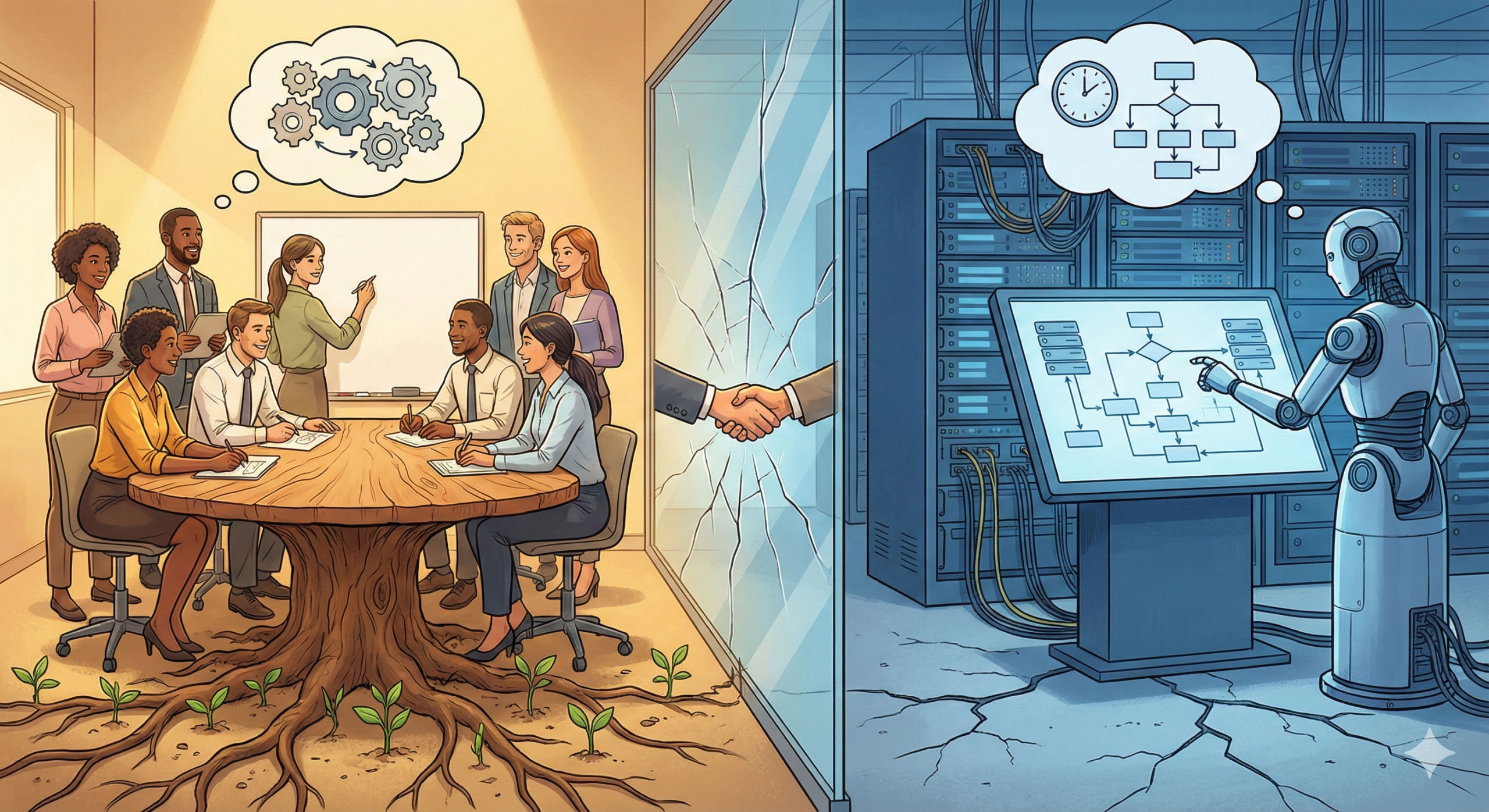
I recently started reading “Agile Software Development, Principles, Patterns, and Practices” by Robert C. Martin (Uncle Bob). It’s one of those industry-standard books that really makes you stop and think about how we actually build software. While going through the chapters, I found myself revisiting the Agile Manifesto and taking some notes on its core principles.
Even though the manifesto was written back in 2001, its first line remains perhaps the most misunderstood and undervalued principle in modern tech:
“Individuals and interactions over processes and tools.”
The Most Important Ingredient: People
We often get caught up in finding the “perfect” methodology or the “perfect” project management tool. We spend hours configuring Jira, setting up automated workflows, and defining rigid roles.
But the truth is: People are the most important ingredient for success. A project can have the best process in the world, but if the people don’t communicate or lack the right mindset, it will fail. On the other hand, a team of great people who interact effectively can succeed even with a messy process.
The “Strong Player” Myth
When we talk about “strong players” in a team, we often think of the 10x developer—the genius who knows every framework. However, a truly strong player might be an average programmer who works exceptionally well with others.
Software development is a team sport. Someone who communicates clearly, helps their peers, and bridges gaps between departments is worth far more than a brilliant “lone wolf” who creates silos and refuses to follow common goals.
Building the Team vs. Building the Environment
I’ve noticed a recurring pattern in the industry: companies focus more on building the “environment” than building the “team.” They invest heavily in expensive office setups, high-end tools, and complex infrastructure before the team even knows how to work together.
Building the team is more important than building the environment. A cohesive team will figure out what environment they need as they grow. My advice? Start small. Use free versions of tools, basic communication channels, and simple setups until you can demonstrate that you’ve truly outgrown them. Don’t buy a Ferrari if you’re still learning how to walk together.
The Hype Trap: Complexity for the Sake of It
We live in an era of “Hype-Driven Development.” Many companies want to implement the most modern tech stack, distributed systems, or complex microservices architectures without even checking if they are necessary.
Starting big—launching a massive, distributed system when a simple monolith would suffice—is a recipe for disaster. Complexity should be a response to a problem, not a starting point. If your team can’t interact well enough to manage a simple system, adding the overhead of distributed architecture will only accelerate the failure.
Final Thoughts
Before you look at your next sprint board or tool configuration, look at your team. Are they talking? Are they collaborating? Are they empowered to make decisions?
Processes and tools are there to support the people, not the other way around.